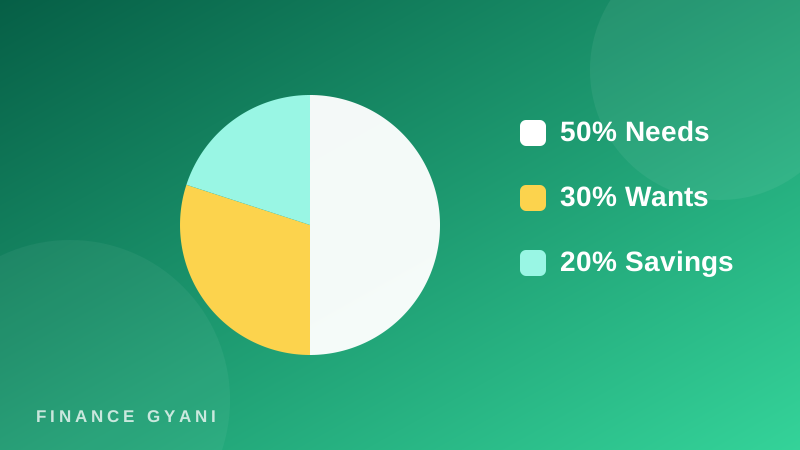
The 50/30/20 rule says: split your take-home pay into 50% needs, 30% wants, 20% savings. It’s popular because it’s simple. But it was designed for American paycheques — apply it blindly in Mumbai or Bengaluru and the math breaks. Here’s how to adapt it.
The rule in one table
| Bucket | Share | What goes in it |
|---|---|---|
| Needs | 50% | Rent, groceries, utilities, EMIs, transport, insurance premiums, school fees |
| Wants | 30% | Eating out, OTT subscriptions, shopping, travel, gadgets |
| Savings | 20% | SIPs, emergency fund, EPF/NPS beyond mandatory, loan prepayment |
Indian reality check #1: metro rent
In big metros, rent alone can eat 30–40% of take-home, blowing past the 50% needs cap once you add everything else. Don’t abandon the framework — adjust it. A 60/20/20 split keeps the most important number (20% savings) intact and takes the squeeze out of wants instead. Protect the savings line first; it’s the one that builds your future.
▶ Latest from the Finance Gyani YouTube channel
Indian reality check #2: family support
Money sent to parents or spent on a sibling’s education is a real, recurring commitment for millions of Indian earners. Count it under needs — it’s not discretionary, and pretending otherwise just makes the budget fail. If family support is large, again shift the ratio (e.g., 65/15/20) rather than raiding savings.
Indian reality check #3: irregular income
Freelancers and business owners should flip the order: on payday, move 20% to savings first, park 50% for needs, and only what remains is spendable. In great months, bank the surplus — it funds the lean months.
Making it stick
- Automate the 20% on payday. A SIP + an auto-transfer to your emergency fund. If saving requires willpower every month, it will lose eventually.
- Track for one month before optimising. Most people guess their spending wrong by 20–30%. Your bank statement is the truth.
- Use separate accounts or UPI apps per bucket if categories keep bleeding into each other.
- Review quarterly, not daily. A budget is a direction, not a daily exam.
Key takeaways
- 50/30/20 is a starting template — adapt the ratio to metro rents and family obligations.
- Whatever you change, protect the 20% savings slice first.
- Automate savings on payday; track a real month of spending before optimising.
- Irregular income? Save first, spend what’s left — not the reverse.
Educational content only, not financial advice.